
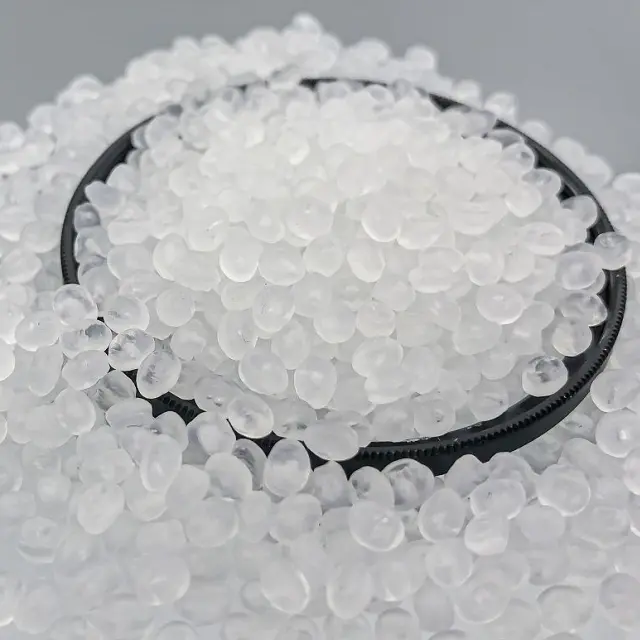
Why 100% Virgin PP Material Storage Boxes and Bins?
When selecting storage solutions, opting for boxes made from 100% virgin polypropylene (PP) offers significant advantages over recycled materials. Below is a detailed comparison of their key differences and why virgin PP stands out as the superior choice.
1. Durability & Strength
- Virgin PP: Made from newly produced polymers, virgin PP storage boxes exhibit superior mechanical strength and durability. Their molecular chains remain intact, ensuring high resistance to impact, cracking, and heavy loads. They maintain structural integrity even under extreme temperatures (-20°C to 100°C), making them ideal for industrial, commercial, and heavy-duty applications.
- Recycled PP: While functional, recycled plastic may suffer reduced strength due to polymer degradation during recycling. Repeated processing can make it more brittle over time, leading to micro-cracks or edge fractures under prolonged use, especially in high-frequency or high-load scenarios.
2. Safety & Cleanliness
- Virgin PP: Free from contaminants, chemical residues, or impurities, virgin PP ensures enhanced safety and hygiene. It complies with international standards like ISO 10993, FDA, and EU 10/2011, making it perfect for storing food, pharmaceuticals, baby products, or medical equipment in environments where cleanliness is critical.
- Recycled PP: May retain traces of previous-use chemicals, inks, solvents, or microbial contaminants. Even after cleaning, there is a risk of cross-contamination, limiting its suitability for food contact or sterile applications.
3. Appearance & Aesthetics
- Virgin PP: Offers a consistent, bright, and uniform appearance with high clarity and gloss. It allows precise color control and is free from discoloration, spots, or clouding, enhancing product premiumness for retail, e-commerce, or high-end consumer packaging.
- Recycled PP: Often has a duller finish and may contain minor imperfections or color variations due to mixed-source materials. Its visual quality is significantly lower, with potential surface haze or unevenness.
4. Environmental Impact & Lifecycle
- Virgin PP: Relies on fossil fuels, resulting in higher initial carbon emissions. However, its long lifespan and 100% recyclability via physical processes support a sustainable lifecycle. It aligns with circular economy principles and ESG goals, reducing long-term environmental burden.
- Recycled PP: More sustainable by reducing plastic waste and energy consumption. Yet, performance degradation during recycling often leads to “downcycling,” where materials are repurposed for lower-value products, hindering closed-loop recycling.
5. Cost & Market Positioning
- Virgin PP: Typically more expensive due to higher raw material costs and stringent production controls. Priced 20–40% premium, it targets professional, industrial, and high-end markets prioritizing durability and safety.
- Recycled PP: Cheaper and budget-friendly, appealing to cost-conscious consumers or temporary storage needs. It serves as an eco-conscious option for mass-market applications.
Choosing between virgin and recycled PP storage boxes depends on priorities:
- Virgin PP: Ideal for demanding environments where strength, hygiene, and aesthetics are paramount. Its long-term reliability and safety make it a smart investment for organized storage.
- Recycled PP: Suited for basic needs with sustainability as a primary driver, though trade-offs in quality and safety exist.
By selecting 100% virgin PP solutions, you invest in performance, safety, and sustainability—a choice that balances efficiency and environmental responsibility.